Designing Autonomous Multi-Agent Orchestration with Live Telemetry
Inside KendaliAI: How specialized agent personas, event-driven task loops, and sandboxed worktrees enable safe, autonomous engineering.

As large language models evolve from simple chat completions into autonomous execution engines, monolithic prompts quickly fail on complex, real-world development tasks. Building reliable multi-agent workflows requires structured decomposition, discrete role personas, and strict sandbox safety guards.
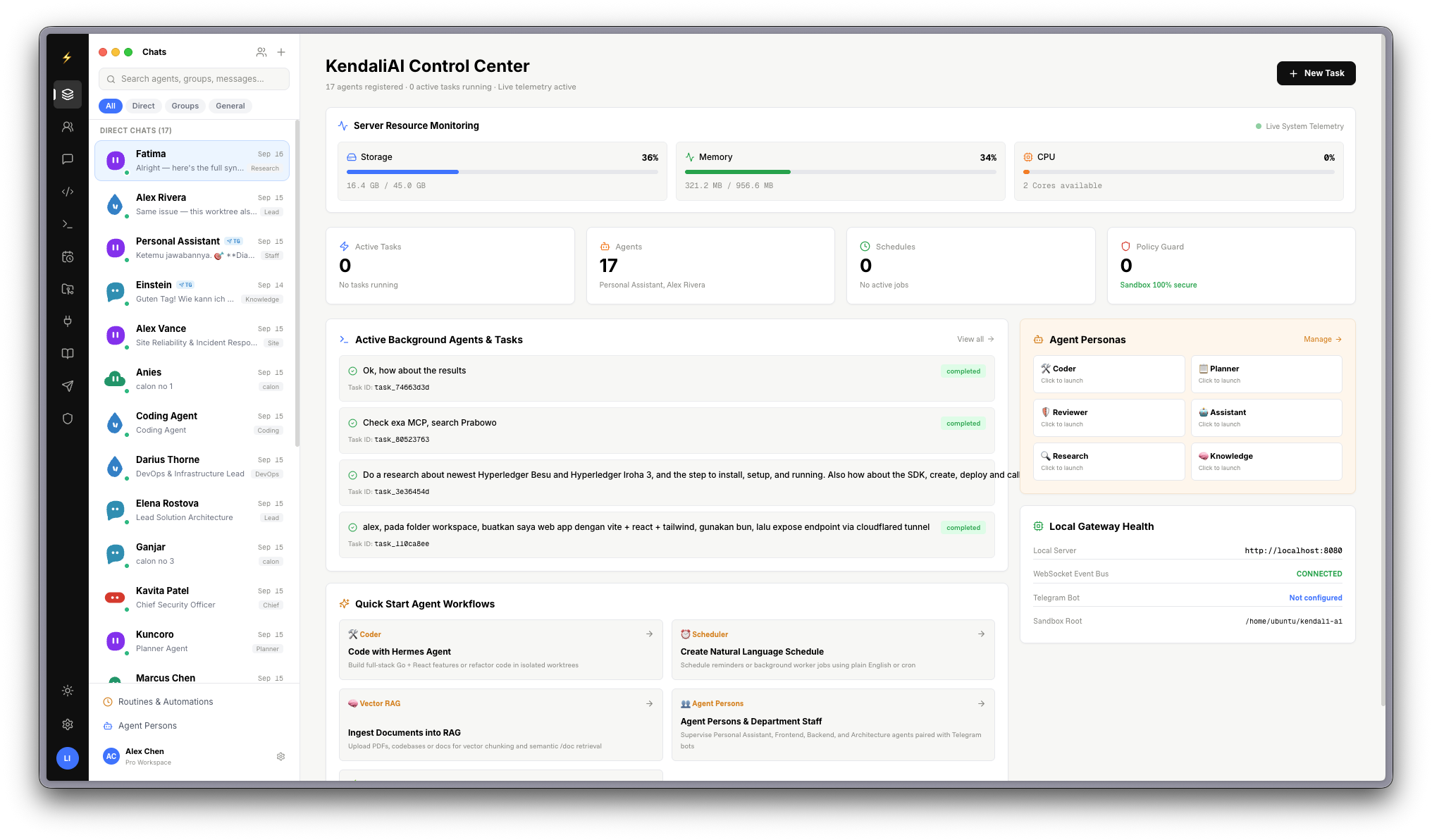
This is the core architecture behind KendaliAI — our control center platform for supervising, orchestrating, and inspecting autonomous AI engineering agents.
Persona Specialization & Decomposition
Rather than assigning one general model to handle planning, coding, reviewing, and deployment, KendaliAI separates responsibilities into specialized agent personas:
- Planner Agent: Analyzes requirements, checks repository constraints, and decomposes the goal into a DAG (Directed Acyclic Graph) of independent steps.
- Coder Agent: Executes in isolated Git worktrees, writing code against established unit tests and style guides.
- Reviewer Agent: Audits code diffs for security regressions, static typing errors, and adherence to performance budgets.
- Research Agent: Scrapes external documentation and queries local Vector RAG indexes for context synthesis.
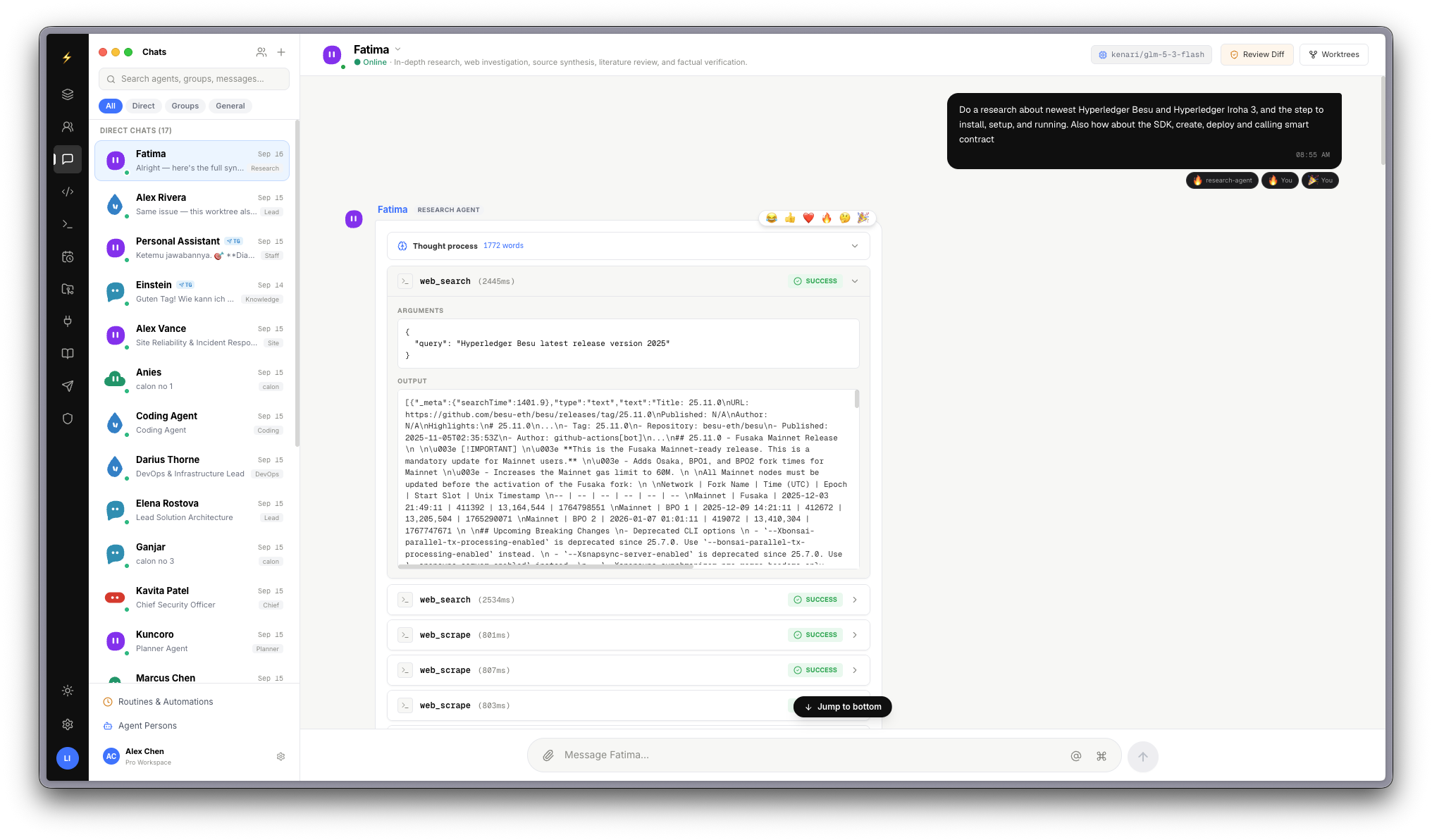
Safe Execution with Git Worktrees & Telemetry
Giving autonomous agents shell access demands strict boundaries:
- Isolated Worktrees: All file mutations occur in temporary git worktrees (
git worktree add -b task-...). If an agent produces broken code or hallucinated refactors, the branch is discarded with zero damage to the main branch. - Live WebSocket Telemetry: Every tool call, thought stream, and CPU/memory fluctuation is streamed over a real-time event bus to the KendaliAI dashboard.
- Policy Guard Hooks: Pre-execution security filters prevent catastrophic commands (e.g. destructive deletions, unauthorized external network requests).
Future Directions
Autonomous agents perform best when their workspace provides instant feedback loops — fast compilers, granular test suites, and transparent telemetry. Providing models with rich sensory tools is what unlocks true engineering autonomy.